Strength for Speed: The Muscle Power to Sprint.
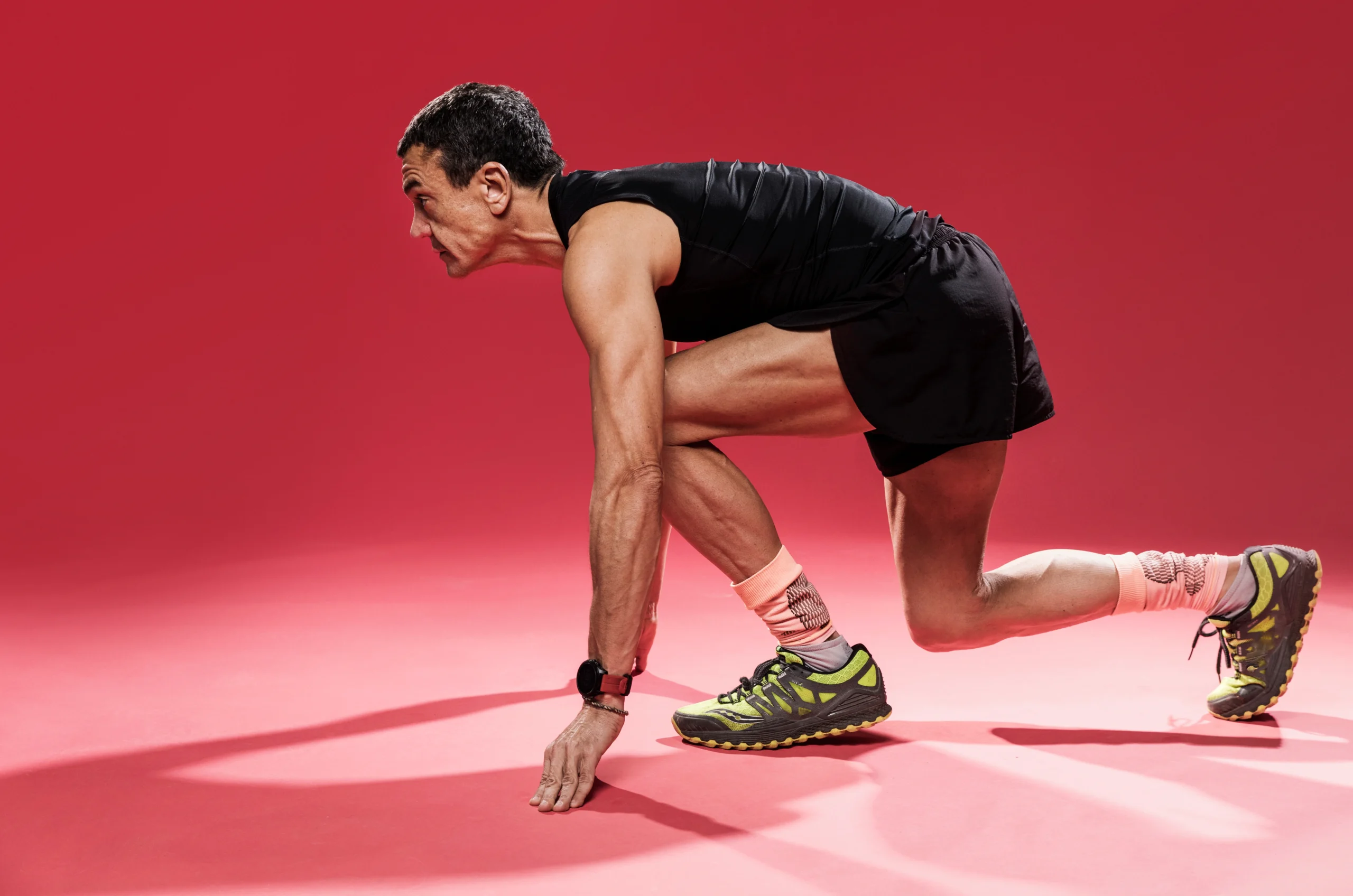
Speed is not merely regarding fast legs – speed is regarding force production. When you are sprinting, you are pushing the ground away with high force in extremely short durations many times. The one who is capable of using more force in a shorter time will take faster steps although they might be similar in form. Most athletes continue to train using sprints each week in the hope, that they will become faster but they never develop the strength system that underlies sprint performance. Speed training awareness educates a mere fact: sprinting is power, and power is developed by strength. The lack of strength reduces the speed gains to low and inconsistent levels.
Indulge in elegance with luxury panties and a sensual luxury thong designed for comfort and sophistication. Complete your look with silky luxury camisoles and a stunning long line lace bra for timeless, feminine style.
In order to know the strength to speed, the athlete ought to learn the distinction between sprinting and endurance running. Endurance running is based on constant energy production and sprinting production is based on explosive production. Sprinting requires the body to produce a massive force and also react swiftly in an organized manner. This violently needed condition grants that sprinting relies on glutes, hamstring, quads, calves and core stability. Knowledge is that the legs act alone cannot work: sprinting is complete body power transfer. In case the core is weak or the hips unstable, the leg power goes against the wall and the speed is lost. Strong training makes the chain strong in order to transmit power easily.
The strength of the glutes is among the greatest speed enhancers. The primary muscles that facilitate hip extension are glutes, i.e. the ones that propel the body forward. Quad dominance is caused by weak glutes that are caused by sitting lifestyle among many athletes. Quad dominance enhances knee loads and decreases the acceleration power. Speed awareness stimulates the development of glutes with the use of hip thrusts, glute bridges, step-ups, Bulgarian split squats, and sprint-specific hill pushes. Well-trained glutes enhance the power of the stride, lessen the hamstring tension, and enhance the acceleration explosiveness. Sprinting becomes smoother and more powerful when there is strength in glutes.
The strength of hamstring is also relevant as the hamstring governs the maximum speed of swinging the leg as well as injuring the sprint. A large number of these sprint injuries are hamstring strains and tend to occur when the hamstring muscles are weak or worn out. Consciousness educates about incorporating eccentric hamstring exercises such as Nordic curls, Romanian deadlifts and controlled leg curls. Eccentric strength enhances the durability of hamstrings and increases the speed during sprinting as it controls the leg. When hamstrings are in good condition, the leg will be able to cycle faster and the ground contact will be explosive. Good hamstring muscles are speed makers and preventers of injury.
There is core strength which helps in supporting posture and posture supports speed. A lot of athletes fall during the middle part of the running, hence lose speed. That leads to the the dropping of hips, knee lift falling, and shortening of stride. Consciousness promotes core training as an anti-rotation such as the planks, dead bugs, Palloff presses, and the controlled hanging leg raises. Sprinting is a conflict of strength and core stability will enable the athlete to stay straight in speed. When the posture remains erect and powerful, there is enhanced arm action and automatic leg mechanism. Powerful run = consistent grouping strategy.
Finally, speed is based on strength since it enhances the capacity of the athlete to generate force at a speed with high frequency. Once glutes, hamstrings, calves and core are stronger, then sprinting is quicker, safer and more assertive. Strength training is not additional labor it is accelerated investment. Speed training awareness educates athletes to develop their power engine not to run more. Increase in engine means increase in the speed and consistency in the performance.