
Waste oil Radar Monitoring and LPG Tank Monitoring Radar Monitoring Advanced Storage Safety.
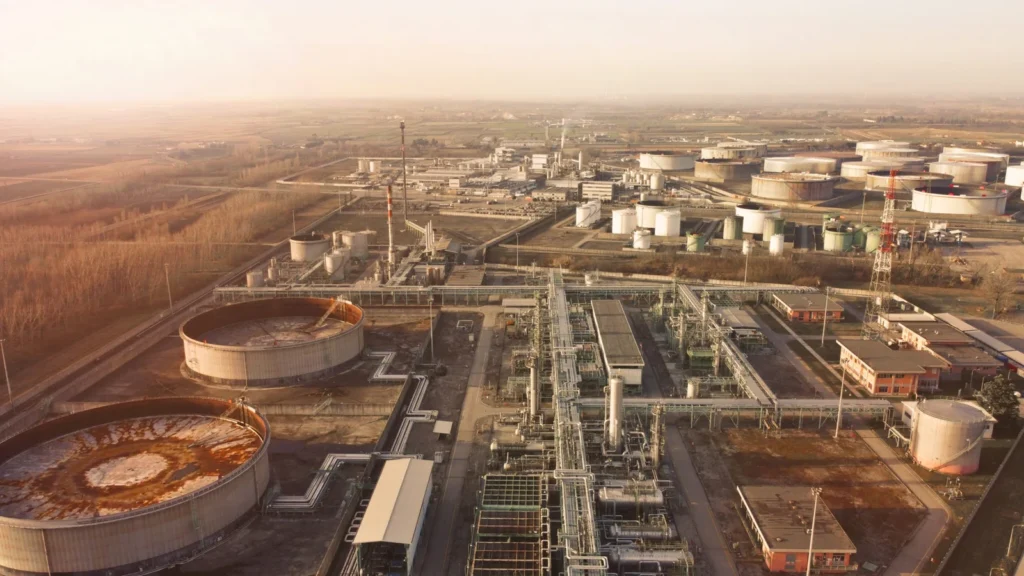
Precision is extremely important in the handling of various sorts of stored fluids, particularly in those industries that deal with those wastes oils and pressurized fuels. Radar monitoring of waste oil and LPG tank monitoring are some of the technologies that are assisting businesses to enhance safety and efficiency and operational visibility. Through installing intelligent monitoring, organizations are able to monitor their tanks at any time besides lessening the number of manual checks and servicing issues.
The use of modern monitoring platforms is becoming rampant in industrial and energy industries in the United States where compliance is paramount to safe storage processes.
The effectiveness of Radar Monitoring used in Waste oil applications.
The waste oil tanks usually have contaminants and sludge accumulation and also uneven fluid compositions that may interfere with the traditional sensors that use contact. This problem can be overcome by Radar Monitoring for waste oil which applies non-contact measurement to measure the contents of the liquids with electromagnetic signals sent by the devices.
Radar sensors are not in physical contact with the fluid, and hence the residue or buildup in the tank has minimal impact on the sensor. This helps in minimizing the maintenance needs and enhancing the consistency of measurements.
Automobile service industry, manufacturing, and recycling industries are some of the industries that have benefited through the radar technology due to the fact that the radars are able to give a reliable reading even under extreme conditions during storage.
The need to know about LPG Tank Monitoring.
Liquefied Petroleum Gas (LPG) is very popular in heating, processing, and energy purposes. Since LPG is pressurized, it must be well monitored to ensure desirable storage conditions. Monitors on LPG tanks are equipped with special sensors that consider the changes in temperature and pressure.
LPG tanks may be unreliable when using traditional manual methods of measuring them because of the changes in the vapor space and pressure. The automated monitoring systems give a real-time reading to the operators so that they can monitor the tank levels more accurately.
Automation and Remote Monitoring to enhance the level of safety.
Current tank monitoring systems incorporate remote connectivity which enables operators to monitor tank data on centralized dashboards. Teams get automated notifications about when the tanks have hit predetermined levels so that immediate action can be taken regarding some problems.
Remote access minimizes the inspection of the safety of the workers by reducing their exposure to unsafe environments. Compliance requirements also are supported by continuous monitoring through the maintenance of correct historical records of the tank activity.
Automation is relevant to avoiding the risk of storage. Early warning of abnormal changes in level assists the operators in preventing the explosion of leaks or working issues at hand at early stages before they become critical.
Multi-Storage Tanks Management using Intelligent Monitoring Technology.
Various fluids are stored in many of the organizations such as waste oils and LPG. Both radar monitoring of waste oil and LPG tank monitoring under one monitoring platform will enable businesses to operate different storage systems more effectively.
Dashboards are centralized to enable all types of tanks to have a real-time view that can enhance the interdependence among the operations, maintenance, and supply teams. Also, the insights developed on the basis of data can assist organizations in more efficiently predicting the trends in the use and scheduling deliveries.
With the ongoing use of digital infrastructure by industries, the use of smart tank monitoring solutions is increasingly becoming a requirement in ensuring safety and efficiency of storage conditions.